Choose on the wall, not on the chip
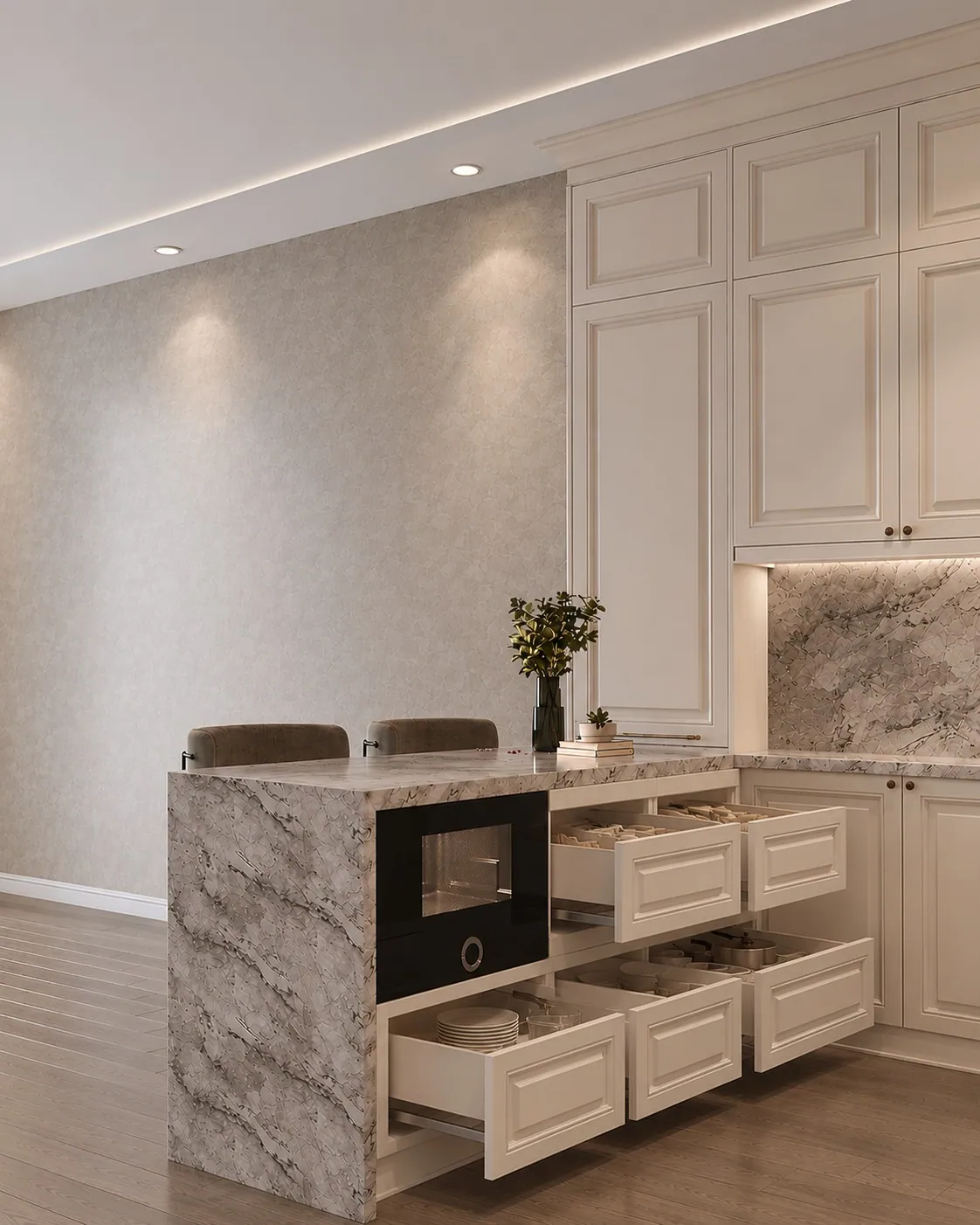
A colour chip in the shop is the size of a finger and sits on a white background. On the wall the colour covers the whole room, light hits it from different directions, and the floor and furniture sit next to it. That is why the "soft grey" from the chip can turn bluish or greenish on the wall.
The most reliable way is to paint test patches. Buy small tester pots of two or three colours you like and paint a few patches at least the size of a book: next to the window, in a dark corner, by the door. Look at them in daylight, in the evening and under artificial light. After a few days the answer is usually obvious.
Which way the room faces
In a north-facing room daylight is cool and even. Cool greys and blues look even colder there, sometimes a bit gloomy. Warm tones such as beige, sand or light terracotta warm the room up.
In a south-facing room the light is strong and warm. Cool shades work well there, while warm ones can make the room feel even hotter in summer. In a west-facing room the evening light turns orange, which is also worth keeping in mind.
Remember that your lamps change colour too. Under a yellowish bulb in the evening a light grey wall can look beige. Always check the test patch at night under your own lights.
Matt or washable paint
Matt paint does not shine, hides small flaws in the wall and looks calm. It is good for bedrooms and living rooms. But stains are hard to remove from it: scrub too hard and you get a shiny patch.
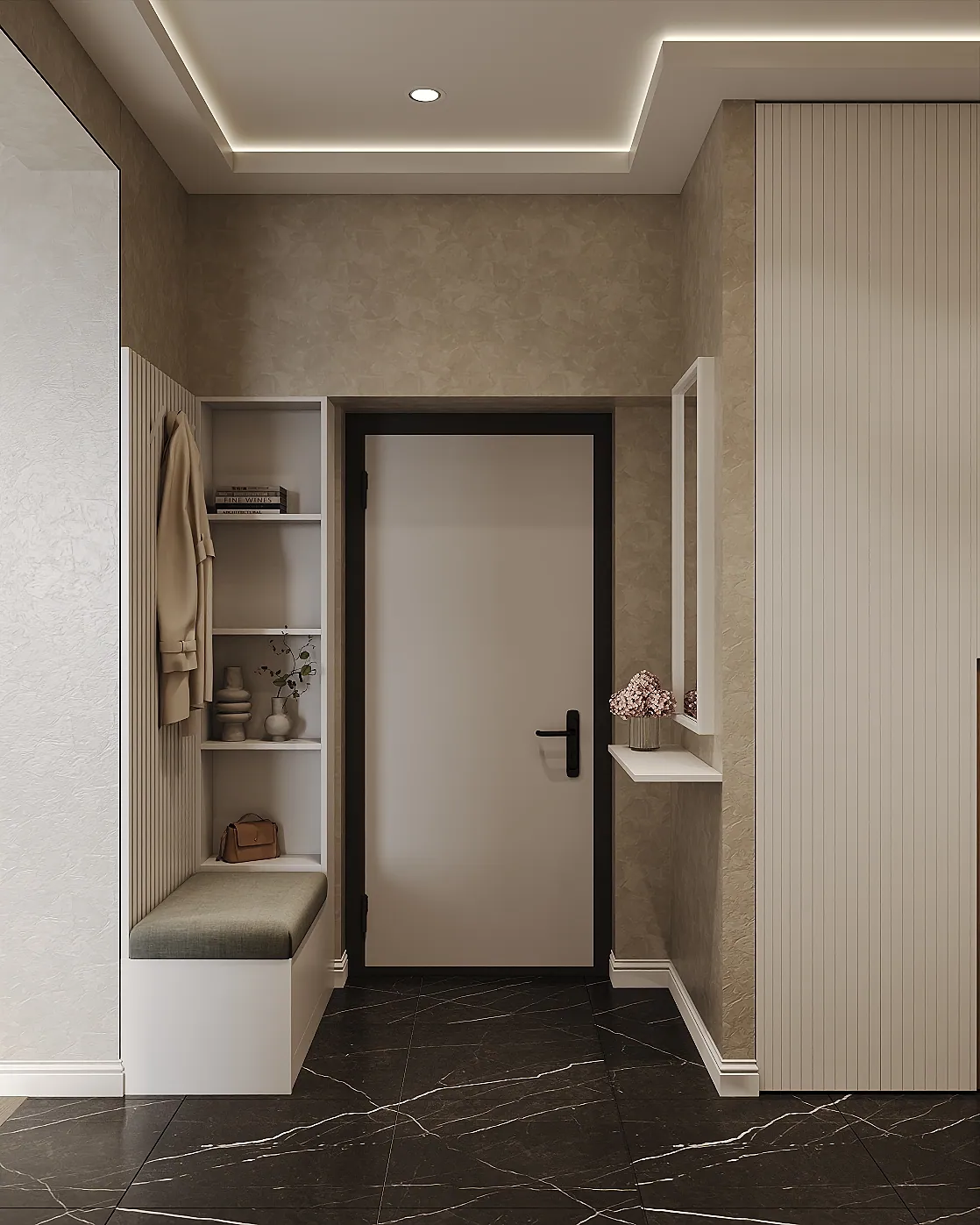
In hallways, kitchens and children's rooms the walls get touched all the time. There it makes more sense to choose washable paint that you can wipe with a damp cloth. Washable paints also come in a semi-matt finish, so they do not have to look shiny. Bathrooms need a special moisture-resistant paint.
Wall preparation changes the result too. If the wall is uneven, side light shows every dip and wave, especially under a glossy finish. So it makes sense to spend part of the painting budget on levelling: without filler (a thin layer that smooths the wall) and sanding, even the best paint will not look good.
Small rooms and a feature wall
Everyone knows a light shade makes a small room look bigger. But sometimes the opposite works too: painting one wall dark, usually behind the bed or the sofa, gives the room depth. It draws attention, and the other walls step back.
When you pick that wall, keep one thing in mind: it should be the wall you see as you walk in. There is no point painting the wall behind the door or behind a wardrobe. And link the colour to something in the room, a cushion, a rug, a picture, so it does not look random.